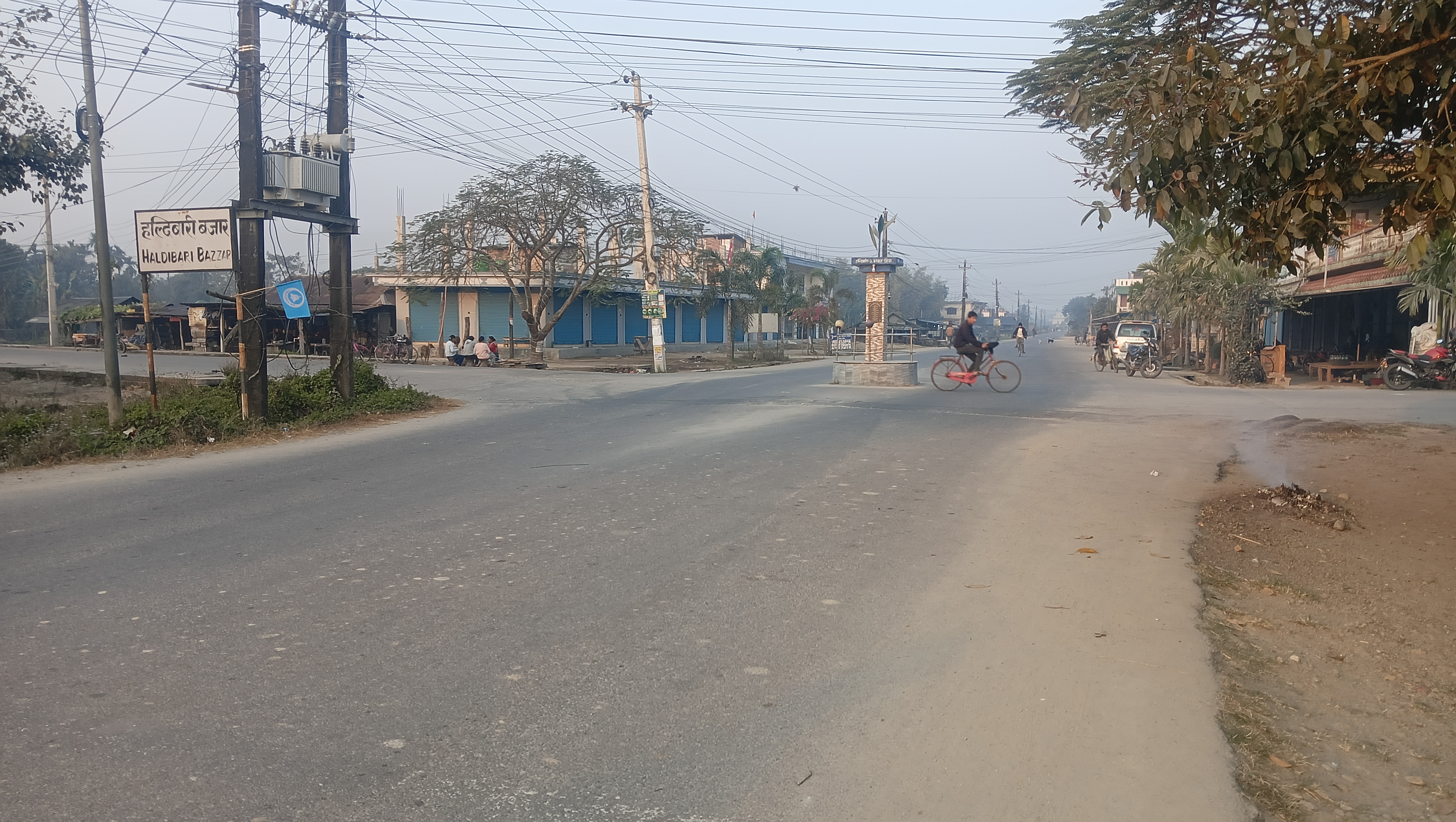
Yesterday, I walked from Birtamode to Haldibari — specifically toward Srijana Chowk — not for the cost of travel, but for real experience. What I found was a mix of peace, ongoing development, and a community living its everyday life on its own terms.
1. A Serene Start: Birat Pokhari
Soon after leaving Birtamode, I stopped by Birat Pokhari, a calm and scenic spot that feels like a peaceful breath away from the city’s hustle. It’s become a simple yet meaningful hangout place for youngsters — a reminder that even small natural spots can be important community anchors.
2. Roads, Infrastructure & Connectivity
Driving or walking through Haldibari today gives a stronger sense of improvement compared to a few years back:
The Rural Municipality has blacktopped about 33 kms of road within its area since local restructuring, connecting key internal routes that were once dusty or muddy tracks. �
nepallivetoday
Local leadership has managed these upgrades partly from internal budgets, while planning more construction in the current financial year. �
nepallivetoday
Additionally, several bridges over local rivers like Bhuteni and Bhusudi have been built, replacing older wooden structures and improving connectivity between wards — especially during monsoons. �
The Annapurna Express
This improved connectivity makes movement easier for villagers, students, and farmers — especially during rainy months. Yet, while major roads are better built, smaller sidewalks and formal drainage systems remain limited, which becomes evident when walking through populated sections.
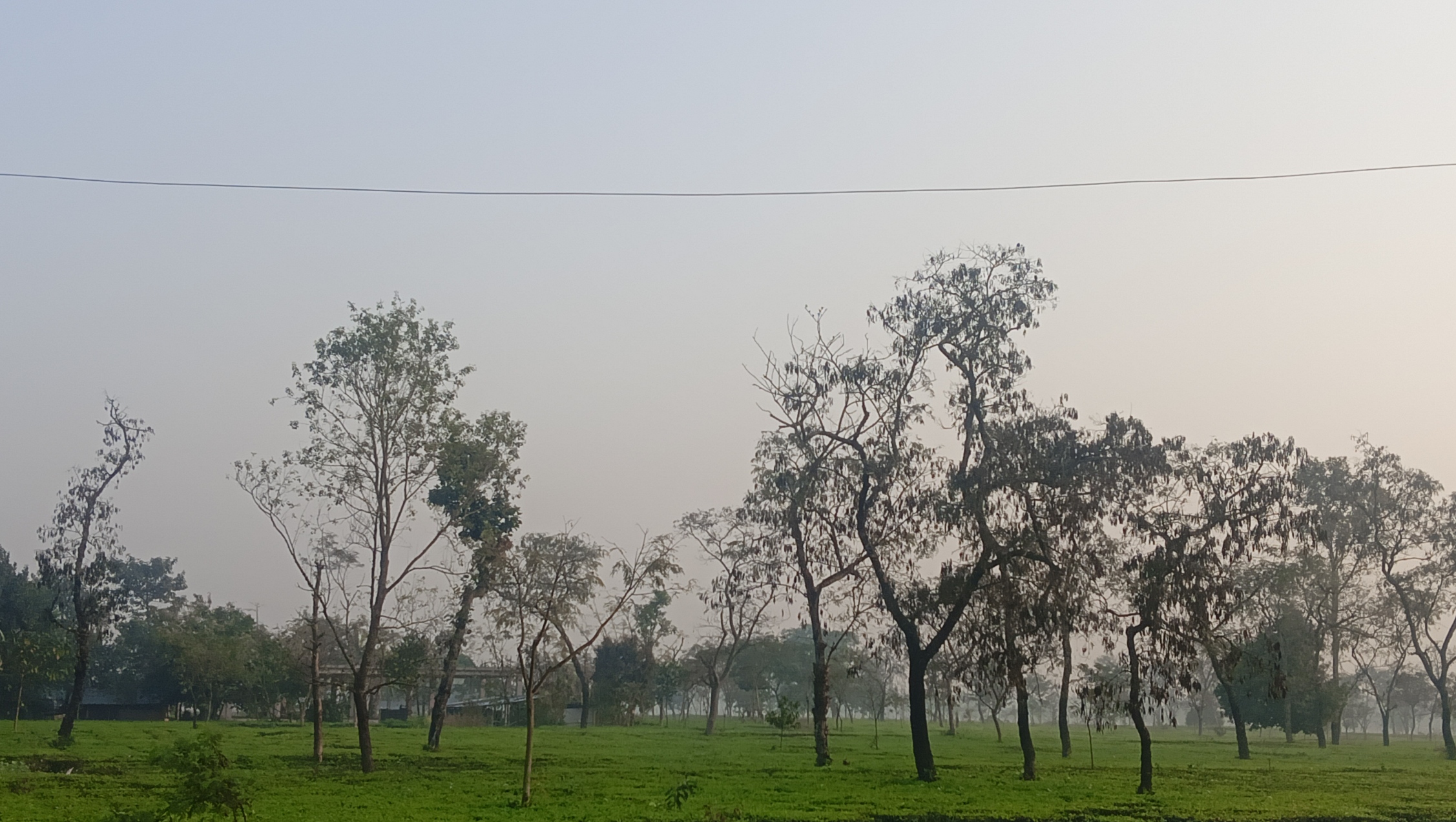
3. A Place of Green Fields & Active Farming
Haldibari covers around 117.34 square kilometers with over 32,000 people, spread across 5 wards. �
Nepal Structural Diary
Agriculture is the backbone here: rice, winter cereals, vegetables, dairying and small livestock dominate livelihoods. Fields show careful seasonal planning, and farming seems more than an occupation — it’s a community identity. �
Nepal Structural Diary
Small industries or big factories are few. But community markets, local rice mills and agro input shops support the rural economy.
4. Schools, Health & Community Services
Education and healthcare are gradually expanding:
There are nearly 28 schools providing primary to +2 level education locally. �
Edusanjal
Basic health services are available through health posts and a primary hospital, making everyday care accessible. �
Nepal Structural Diary
Compared to many rural parts of Nepal, this basic infrastructure is a sign of grounded development.
5. Culture, Language & Daily Life
The population of Haldibari is diverse — with multiple languages and cultural practices coexisting. Festivities follow local Terai rhythms: Dashain, Tihar, Chhath, Holi and traditional fairs reflect a vibrant community life. �
Nepal Structural Diary
6. Governance & Local Politics
Politically, Haldibari has clear local dynamics:
The rural municipality was formed in 2017 by merging previous village units. �
Haldibari Municipality
In the 2079 local elections, Rastriya Prajatantra Party (RPP) won the key positions — with Ravindra Prasad Lingden (brother of national leader Rajendra Lingden) elected as chairperson and RPP also winning the vice-chair position. �
Naya Patrika
The municipality now operates with development plans prioritizing agriculture, health, and education — guided by a budget of nearly Rs 49 crore for the year 2082/083 BS. �
झापा न्यूज
The local administration has also been recognized in regional evaluations for performance and service delivery — a notable achievement for a small rural area. �
झापा न्यूज
Still, development isn’t uniform. Some older political tensions between local leaders have sometimes slowed collaboration — showing that governance challenges remain alongside infrastructure progress. �
Jana Aastha
7. What Walking Taught Me
Walking through Haldibari was more than a physical journey — it was a human story:
The peaceful rhythm of rural life surprised me — people were friendly, life was calm, and the atmosphere genuinely felt welcoming.
Despite visible infrastructure efforts, essential urban amenities (sidewalks, drainage, public spaces) are still developing.
The land and its people felt connected — fields weren’t just plots of soil but living spaces shaped by generations.
This experience reaffirmed what many city-dwellers often forget: development is not a single story of smooth roads and market expansion. It’s also a story of people’s attitudes, community strength, cultural richness and silent hopes — especially in the lead-up to another election on Falgun 21, 2082.
Final Thought
Haldibari may not be a tourist destination or a bustling economic hub — but it stands as an example of balanced rural life in Eastern Nepal: blending peace, steady growth, and community resilience.
Comments
No comments yet. Be the first to comment!